Orientation Is the Free Decision
Before any shading is drawn, the arrangement of rooms against the sun path determines how much work the shading has to do. Bedrooms occupied in the evening behave differently from a majlis used in the afternoon or a kitchen used in the morning, and placing each where the sun suits its use costs nothing at design stage.
Western exposure is the difficult one. Low afternoon sun arrives at a shallow angle, penetrates deep into rooms, and coincides with the hottest part of the day. Where a plot forces a western frontage, that elevation should carry the least glazing and the most protection.
Shade Outside the Glass, Not Behind It
Internal blinds and curtains block light and glare after the radiation has already entered the room and become heat. External shading intercepts it while it is still outside, which is why an overhang outperforms a curtain by a wide margin for the same visual effect.
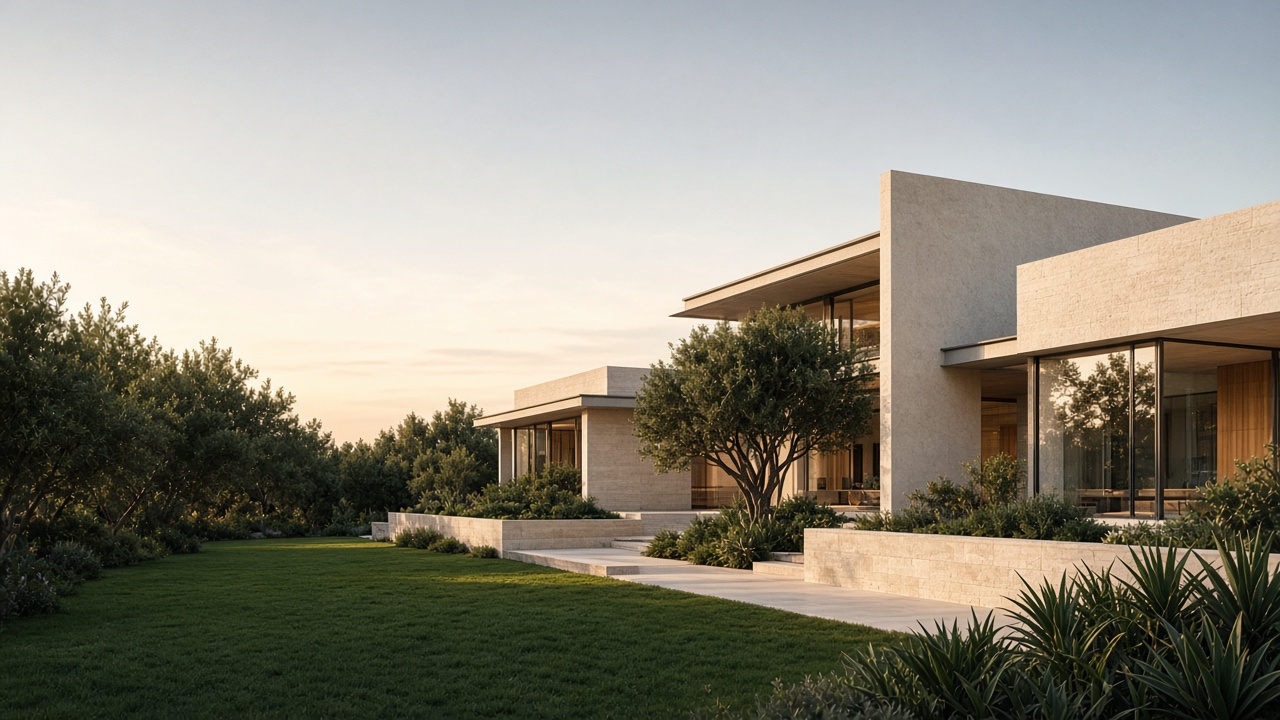
External devices should be designed by orientation. Horizontal projections work on southern faces where the sun is high. On eastern and western faces the sun is low, so vertical fins, perforated screens, deep reveals, or reduced glazed area are far more effective.
Every external shading element is also a maintenance and cleaning item in a dusty, humid environment. Fixings need corrosion resistance and the geometry should shed dust rather than collect it.
- South: horizontal overhangs, brise-soleil, projecting floor slabs
- East and west: vertical fins, screens, deep reveals, or less glass
- North: the most generous glazing, with modest protection from low reflected light
- Everywhere: design shading so it can be reached and cleaned
Bring Light From the Section
Deep villa plans leave rooms far from any external wall. Light wells, courtyards, double-height voids, and stair rooflights allow daylight to reach these spaces from above, where sightlines from neighbours do not exist and privacy is not compromised.
Top light in this climate needs shading of its own. A shaded, north-facing clerestory or a rooflight with a well-designed reveal delivers steady daylight, while an unprotected horizontal glazed panel delivers heat and glare in equal measure.
The quality of light matters as much as the quantity. Light bounced off a shaded courtyard wall or an internal reveal is soft, comfortable, and consistent, whereas direct beams create harsh contrast that makes a room harder to occupy.
- Stair and corridor rooflights, shaded and detailed for waterproofing
- Clerestory glazing set above external sightlines
- Double-height voids that share light between floors
- Light wells serving otherwise internal rooms
Glare Is the Complaint You Will Actually Hear
Residents rarely complain about lux levels. They complain about glare on a television, reflected light off a pale terrace, and rooms too bright to sit in during the afternoon. These are all controllable at design stage.
Useful measures include avoiding single large openings that create extreme contrast, admitting light from two directions in the same room, choosing paving and terrace finishes that do not reflect harshly, and using deep reveals so window frames provide a gradient rather than a hard edge.
Landscape Does Some of the Work
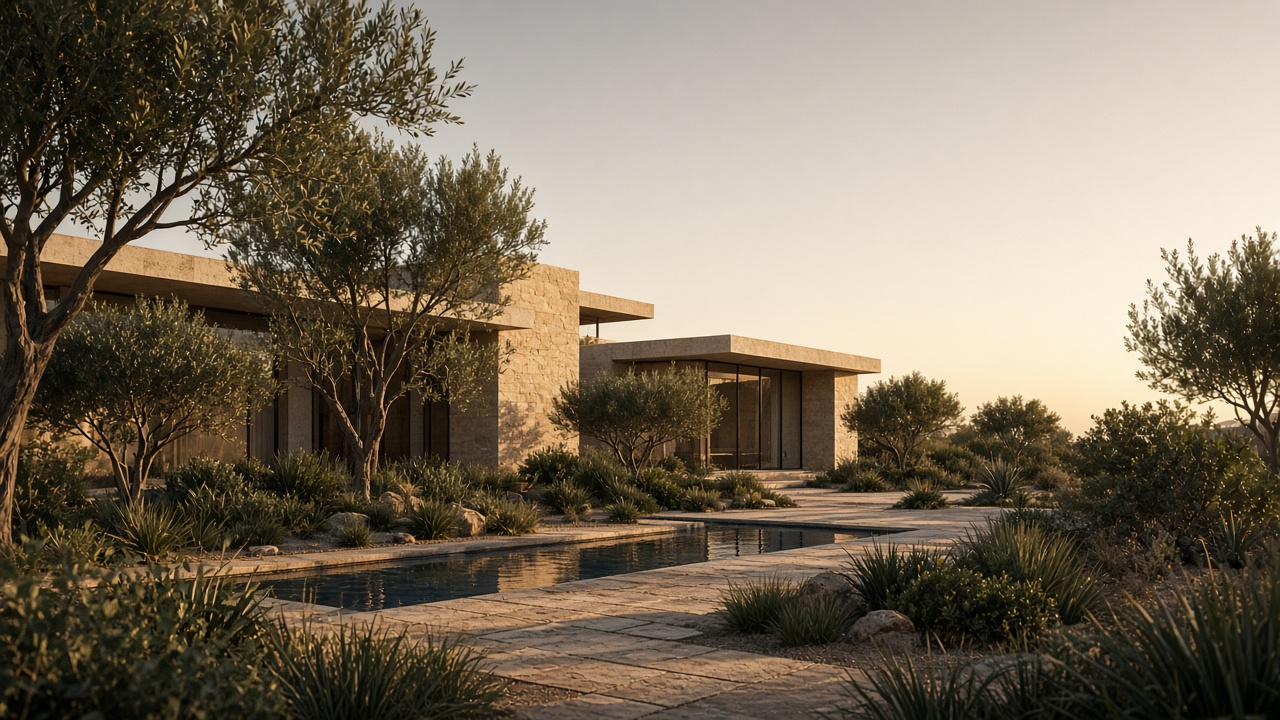
Trees positioned on eastern and western sides shade both the facade and the ground surface that would otherwise radiate heat back at the building. Pergolas and shade structures extend usable outdoor space and reduce reflected gain into adjacent rooms.
Planting takes time to mature and requires water, so it should be planned as part of the shading strategy from the beginning rather than treated as decoration after the building is complete.
Key takeaways
- Arrange rooms against the sun path before designing shading devices.
- External shading outperforms internal blinds for the same visual effect.
- Match shading geometry to orientation; horizontal for south, vertical for east and west.
- Use courtyards, light wells, and shaded top light for deep plans.
- Glare, not light level, is the complaint residents actually raise.