
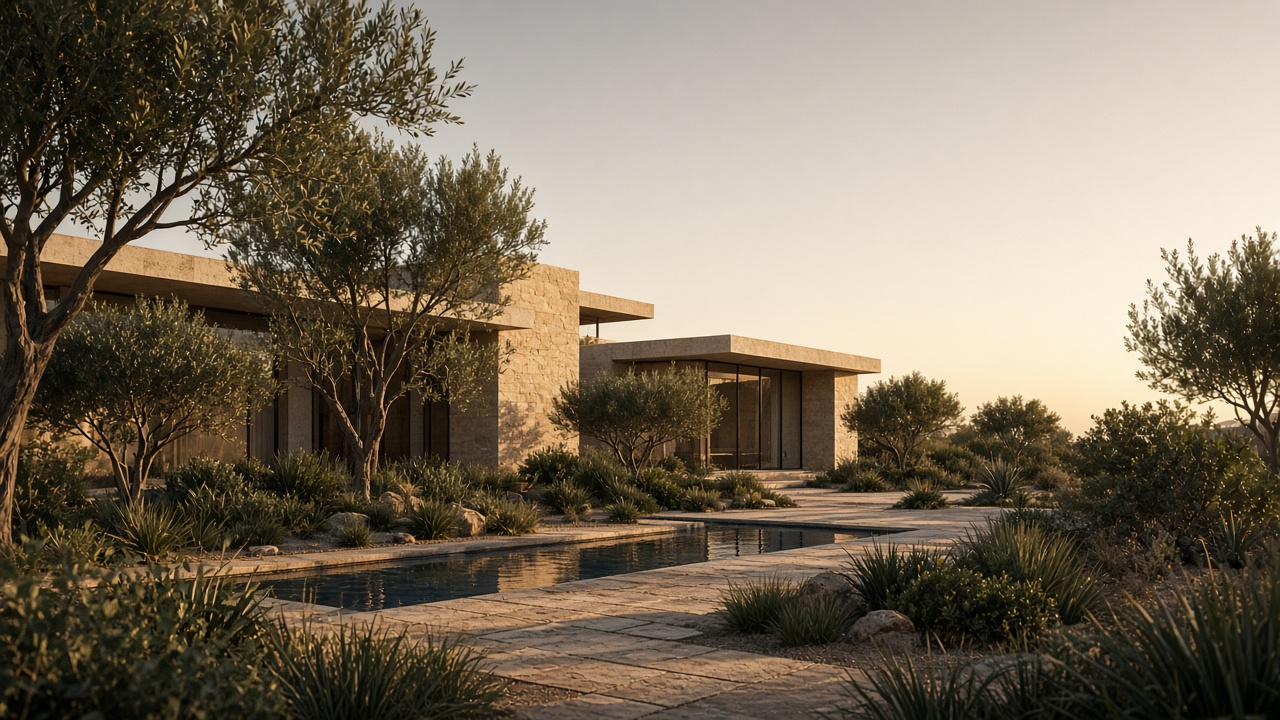
Restraint Reads as Expensive
The interiors that feel most considered usually contain remarkably few materials. One stone used consistently for floors and thresholds, one timber species across joinery, one plaster finish for walls, and one metal for ironmongery and trims produce a coherence that no amount of variety achieves.
Where interest is needed, it is better to introduce it through changes of finish within the same material, or through texture and scale, than by adding another material to the schedule. Every additional material is another junction to detail, another supplier to coordinate, and another opportunity for a mismatch.
Stone: Specify the Batch, Not Just the Name
Natural stone varies between quarry blocks, and a name on a schedule guarantees very little. Approving a control sample, agreeing the range of acceptable variation, and reserving material from a single batch is the difference between a floor that looks composed and one that looks assembled from offcuts.
The finish matters as much as the stone. Polished surfaces show every scratch and become slippery when wet, honed surfaces are calmer and more forgiving, and textured finishes suit thresholds and wet areas. In bathrooms and near pools, slip resistance should be a stated requirement rather than an assumption.
Practical details decide how stone ages: sealing appropriate to the material, adhesive and substrate compatibility, and thresholds detailed so water does not track under the slab. Light-coloured marbles in a wet area without proper sealing will stain, and the staining is permanent.
- Approve a control sample and agree the acceptable variation range
- Reserve material from one batch for continuous areas
- Specify finish and slip resistance per location, not per project
- Confirm sealing and maintenance requirements before selection is closed
Timber in a Humid Climate
Timber moves with moisture content, and the interior of a conditioned villa is a very different environment from the container it arrived in or the warehouse it was stored in. Panels installed before the building is stable, or before air conditioning is running consistently, will move afterwards, and the movement appears as opened joints and cupped doors.
The controls are unglamorous: acclimatise material on site in conditioned space, use engineered substrates with a real veneer where large stable panels are required, and detail joinery with movement in mind rather than assuming rigidity.
Solid timber in bathrooms and near pools is a risk in this climate regardless of the finish. Where the look is essential, high-quality alternatives with genuine stability are the safer route.
Plaster, Paint, and the Behaviour of Light
Strong daylight is unforgiving to wall finishes. A high-sheen paint on a long wall will show every imperfection in the substrate, especially where light rakes across the surface from a window at one end. Matt and low-sheen finishes are more tolerant, and polished plaster gives depth without the flatness of paint.
Colour also behaves differently under intense light. Samples should be assessed in the actual room, at the times of day the space will be used, and against the actual flooring and joinery rather than on a sample board in a showroom.
Metals Near the Coast
Ironmongery, tapware, shower fittings, and decorative metalwork are exposed to humid, sometimes salt-laden air, and in bathrooms to constant moisture. Finishes such as unlacquered brass will patinate, which can be beautiful if intended and disappointing if not. Plated finishes vary widely in durability depending on the process and thickness.
The practical approach is to test the specific finish in the specific condition, agree with the client whether patina is desired, and match all metals within a space carefully. Mixed metal tones look accidental unless the mix is deliberate and consistent.
Assemble the Palette as a Physical Object
The most useful tool in this process is a physical sample board holding the actual approved samples, in the actual finishes, in the same proportions as they will appear in the room. Digital renders flatter materials and hide the way a stone's warmth fights a timber's coolness.
Keep the approved samples until handover. They are the reference against which delivered material is checked, and they settle disputes that would otherwise depend on memory.
Key takeaways
- Fewer materials, used consistently, read as more luxurious.
- Approve stone by control sample and reserve a single batch.
- Acclimatise timber and detail joinery for movement in humid conditions.
- Assess colour and sheen in the actual room, in real daylight.
- Keep the approved physical samples until handover as the reference.