Area Is the Blunt Instrument
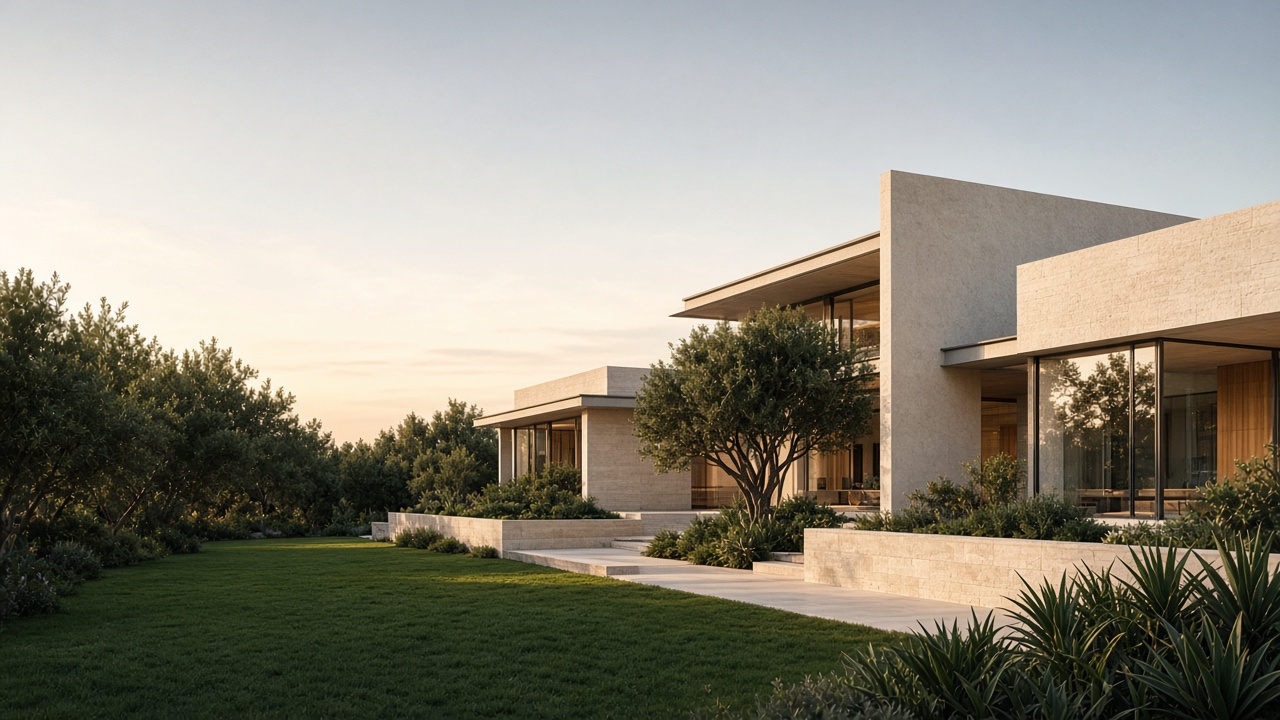
Built area remains the single largest determinant of cost, and it is the easiest thing to reduce without harming the way a house feels. Circulation is where area is most often wasted: long corridors, oversized landings, and duplicated stairs all consume budget without adding usable rooms.
Reducing area by tightening circulation frequently releases enough budget to raise the specification everywhere else. A smaller, better-finished villa reads as more expensive than a larger one with compromised materials.
Wet Areas and Services Cost More Per Square Metre
Kitchens, bathrooms, laundries, and plant rooms carry drainage, water supply, ventilation, waterproofing, and dense electrical work. Every additional bathroom adds not only its own fittings but also a stack of concealed work behind the walls and beneath the floor.
Grouping wet areas vertically and horizontally shortens pipe runs, reduces the number of penetrations through waterproofed slabs, and simplifies future maintenance. Scattering them across a plan for convenience is one of the more expensive design habits.
Structure Follows the Plan You Drew
Long spans, cantilevers, double-height voids, and irregular column grids all increase the quantity of steel and the depth of concrete elements. None of these are wrong; they are simply choices with a price, and they are far cheaper to reconsider on paper than in formwork.
Basements deserve separate consideration. Excavation, shoring, groundwater management, and the waterproofing system they demand make a basement one of the highest-cost areas of a villa per square metre. In coastal Jeddah conditions, the waterproofing specification for below-grade construction is not a place to economise.
Where a client wants dramatic geometry, it is usually better to concentrate it in one or two locations rather than distribute complexity throughout the building.
- Long spans and cantilevers increase reinforcement and element depth
- Irregular grids reduce formwork reuse
- Basements add excavation, shoring, and below-grade waterproofing
- Double-height spaces affect structure, facade, and cooling load together
Finishes Are Where the Range Is Widest
Two identical villas can differ enormously in final cost purely through finishes. Stone selection and slab thickness, the size and calibration of tiles, the substrate preparation those materials demand, ironmongery, sanitaryware, and lighting all scale from modest to extraordinary within the same drawings.
Joinery is the item clients most often underestimate. Bespoke wardrobes, dressing rooms, kitchen cabinetry, and panelling are effectively furniture made on measure, and their cost tracks the labour and material quality involved rather than the floor area.
The useful discipline is to decide the specification level per room before tender, so that the contractor prices reality rather than an allowance.
- Stone and tile selection, including slab thickness and calibration
- Bespoke joinery scope, room by room
- Sanitaryware, tapware, and ironmongery ranges
- Lighting specification and control system extent
External Works Are Not an Afterthought
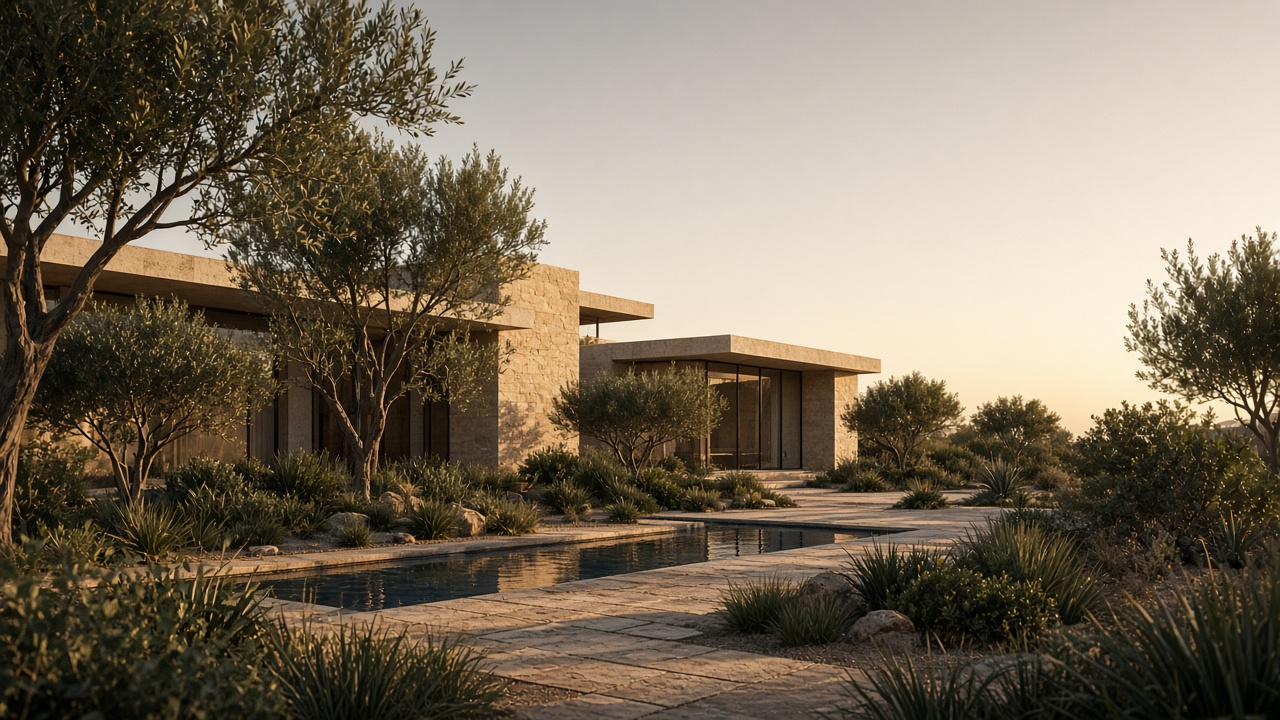
Boundary walls, gates, driveways, drainage, irrigation, planting, pool structures, external lighting, and generator or plant enclosures form a substantial package. Because they appear late in drawings, they are often priced as allowances and then exceed them.
In an arid, dusty climate, hardscape and planting also carry a maintenance cost that continues after handover. Choosing durable paving and appropriate species is a budget decision with a long tail.
Time Costs Money Even When Nobody Is Building
A stalled site still accrues cost: supervision, plant, security, and preliminaries continue. The most common cause of stalling on private villas is late client decision-making on finishes, followed by design information arriving after the trade needed it.
Deciding the specification early is not a bureaucratic preference. It is one of the few cost controls entirely within the client's hands.
Key takeaways
- Tightening circulation reduces area without reducing the feel of the house.
- Group wet areas to shorten services runs and reduce slab penetrations.
- Basements and structural gymnastics are cheapest to reconsider on paper.
- Finishes and bespoke joinery produce the widest cost range.
- Late client decisions are a real and avoidable cost.